Pad Thai Quinoa Bowl with Creamy Peanut Lime Sauce
A Pad Thai Quinoa Bowl takes the sweet, salty, tangy, nutty flavors associated with Pad Thai and turns them into a colorful grain bowl that is easy to prepare for lunch, dinner, or meal prep. Instead of rice noodles, fluffy quinoa forms the base, bringing a slightly nutty flavor and satisfying texture that pairs beautifully with crisp vegetables and creamy peanut-lime sauce.
This is not intended to replace traditional Pad Thai. Rather, it is a Thai-inspired quinoa bowl built around some of the flavor combinations that make Pad Thai so popular: lime, peanuts, savory soy sauce, subtle sweetness, fresh herbs, and plenty of crunch.
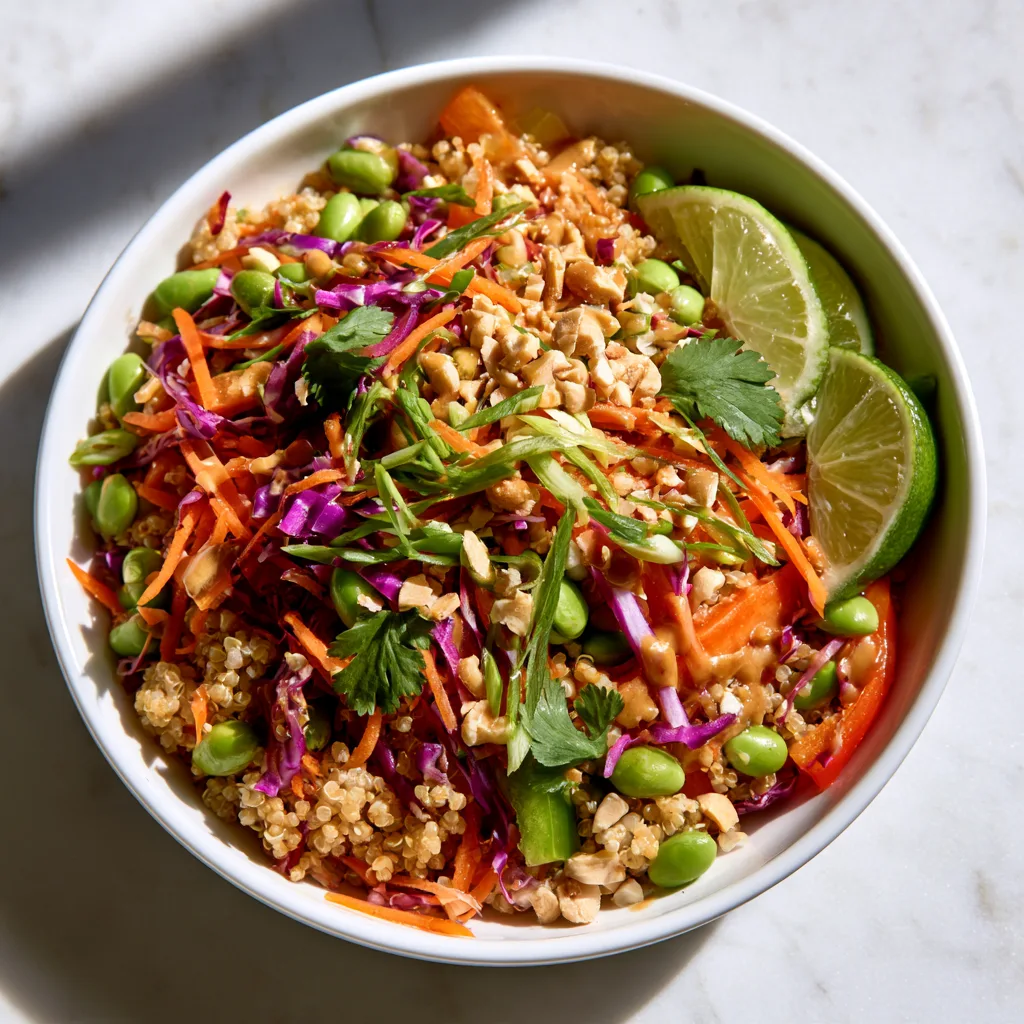
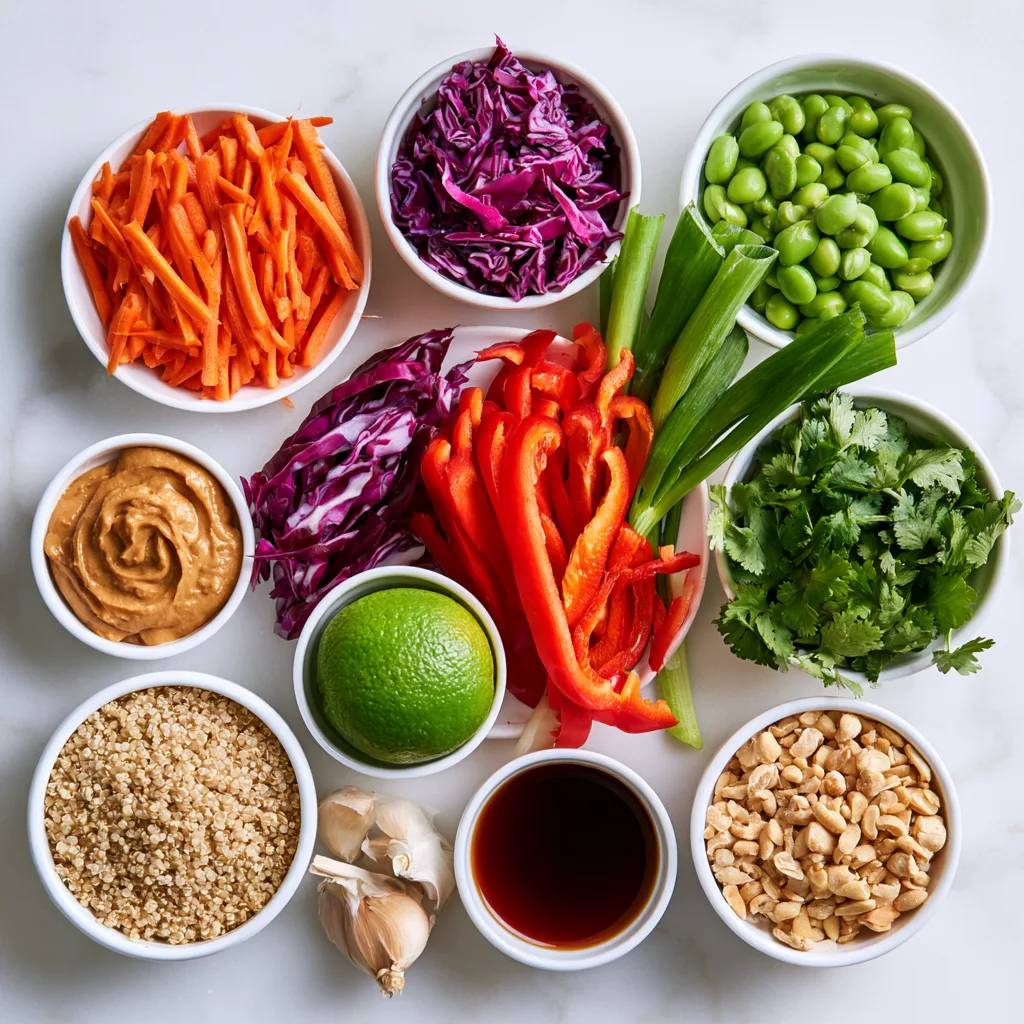
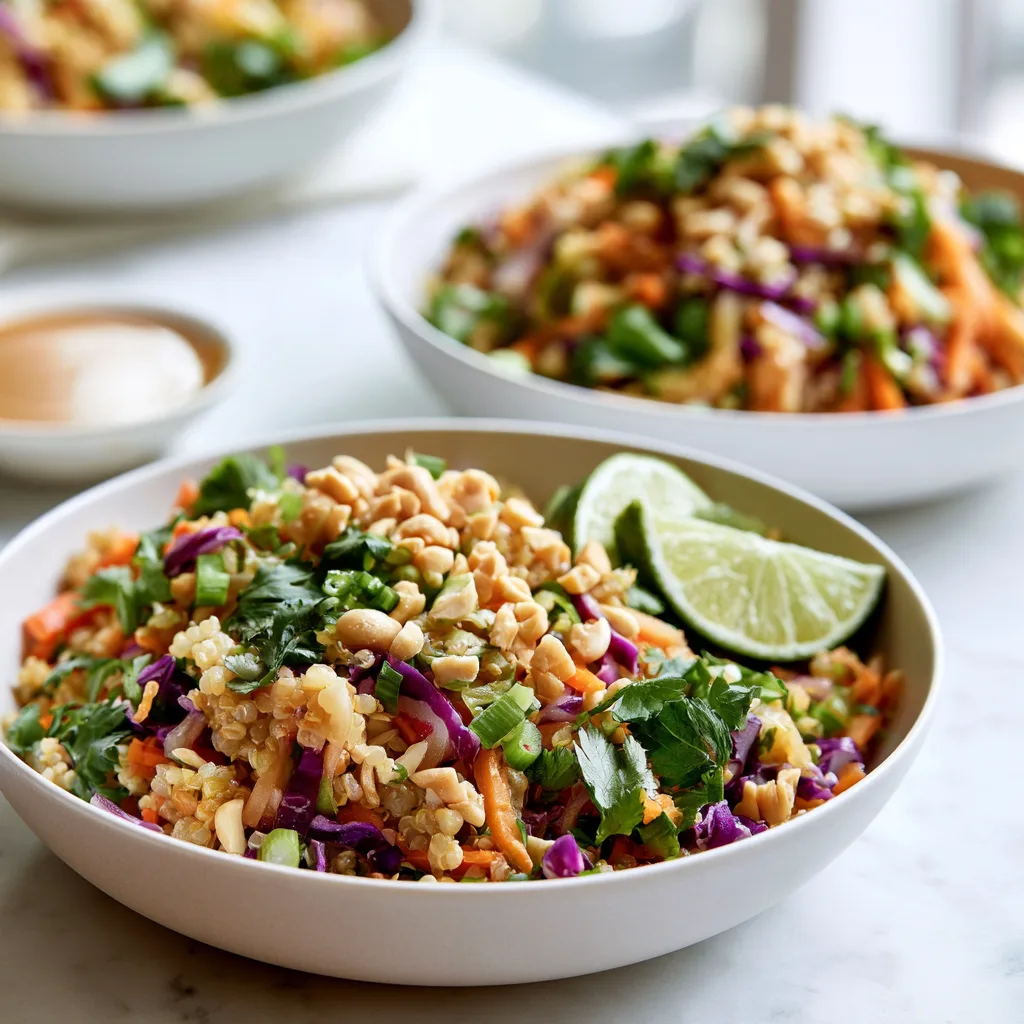
The bowl contains tender quinoa, shredded red cabbage, carrots, red bell pepper, edamame, green onion, cilantro, and roasted peanuts. A simple sauce made from peanut butter, lime, tamari, rice vinegar, maple syrup, garlic, ginger, and a small amount of water coats everything without making the bowl heavy.
One of the biggest advantages of a Pad Thai Quinoa Bowl is flexibility. It can be eaten warm, room temperature, or chilled. It travels well for packed lunches, holds up nicely for meal prep, and can easily be customized with chicken, shrimp, tofu, extra vegetables, or additional herbs.
The entire meal comes together in around 35 minutes, with most of the chopping completed while the quinoa cooks.
Why Use Quinoa in a Pad Thai-Inspired Bowl?
Quinoa has a light texture with enough structure to remain distinct after being mixed with sauce.
Unlike softer grains that may become heavy when coated with a peanut-based dressing, quinoa keeps the bowl relatively fresh and loose.
Its mild, slightly earthy flavor also provides a neutral base for stronger ingredients such as lime, ginger, garlic, cilantro, peanuts, and tamari.
Quinoa is particularly convenient for meal preparation because cooked quinoa keeps its texture well in the refrigerator. Once cooled, it absorbs some of the dressing without becoming soggy.
Ingredients
For the Quinoa Bowl
- 1 cup uncooked quinoa
- 2 cups water or vegetable broth
- 1/4 teaspoon salt
- 1 cup shredded red cabbage
- 1 large carrot, shredded or julienned
- 1 red bell pepper, thinly sliced
- 1 cup shelled edamame, cooked
- 3 green onions, thinly sliced
- 1/2 cup fresh cilantro, roughly chopped
- 1/3 cup roasted peanuts, roughly chopped
- 1 lime, cut into wedges
For the Peanut Lime Sauce
- 1/3 cup creamy peanut butter
- 3 tablespoons tamari or soy sauce
- 2 tablespoons fresh lime juice
- 1 tablespoon rice vinegar
- 1 tablespoon maple syrup or honey
- 1 teaspoon toasted sesame oil
- 1 teaspoon freshly grated ginger
- 1 garlic clove, finely grated
- 2 to 4 tablespoons warm water
- 1 teaspoon sriracha, optional
Instructions
- Rinse the quinoa. Place quinoa in a fine-mesh strainer and rinse thoroughly under cold water.
- Cook the quinoa. Add quinoa, water or vegetable broth, and salt to a medium saucepan. Bring to a boil, cover, reduce to low heat, and simmer for approximately 15 minutes.
- Rest the quinoa. Remove the saucepan from the heat and leave it covered for 5 minutes. Fluff with a fork and allow it to cool slightly.
- Prepare the vegetables. While the quinoa cooks, shred the cabbage and carrot, slice the bell pepper and green onions, cook the edamame if necessary, and chop the cilantro and peanuts.
- Make the peanut sauce. Whisk peanut butter, tamari, lime juice, rice vinegar, maple syrup, sesame oil, ginger, garlic, and optional sriracha in a bowl.
- Thin the sauce. Add warm water one tablespoon at a time until the sauce reaches a pourable consistency.
- Build the bowls. Divide quinoa among four bowls. Arrange cabbage, carrots, bell pepper, edamame, green onions, and cilantro over the quinoa.
- Add the sauce. Drizzle the peanut-lime sauce over each bowl.
- Finish and serve. Sprinkle with chopped peanuts and serve with fresh lime wedges.
The Secret Is Balancing the Sauce
A good Pad Thai Quinoa Bowl depends heavily on balance.
Peanut butter brings richness, but too much can overwhelm the fresh vegetables. Lime and rice vinegar add acidity, tamari contributes saltiness and umami, maple syrup adds sweetness, and sesame oil provides a toasted aroma.
Taste the sauce before adding it to the bowl.
If it feels too rich, add more lime.
If it feels too sharp, add a small amount of maple syrup.
If it tastes flat, a little more tamari may be enough.
If it is too thick, thin it with warm water rather than additional soy sauce so the salt level remains controlled.
How to Cook Quinoa So It Stays Fluffy
Rinsing quinoa is worth the extra minute.
Quinoa naturally contains compounds called saponins on its outer coating, which can contribute bitterness. Most commercially packaged quinoa is pre-rinsed, but another rinse improves consistency.
After cooking, let the quinoa rest before removing the lid. This allows remaining steam to finish cooking the grains evenly.
Then fluff with a fork rather than stirring aggressively.
For a grain bowl, it is also helpful to let the quinoa cool for several minutes before adding fresh vegetables. Extremely hot quinoa can soften cabbage, carrots, peppers, and herbs.
Protein Options
The edamame already contributes plant-based protein, but additional protein can transform the Pad Thai Quinoa Bowl into an even more substantial meal.
Chicken
Season thin chicken strips lightly with salt and pepper and sauté until golden. Add them warm or chilled.
Shrimp
Quickly sauté peeled shrimp with garlic and a touch of sesame oil. Shrimp works especially well with lime and peanut sauce.
Tofu
Press firm tofu, cube it, and pan-fry until crisp. Toss with a teaspoon of tamari before adding to the bowl.
Egg
A sliced soft-boiled or jammy egg makes a simple topping when extra preparation is not desired.
Vegetable Variations
One of the easiest ways to adapt a healthy quinoa bowl is by using vegetables already available in the refrigerator.
Try:
- Cucumber
- Bean sprouts
- Snow peas
- Broccoli
- Shredded Brussels sprouts
- Zucchini
- Radishes
- Bok choy
- Spinach
- Mango for sweetness
Maintaining a mixture of colors and textures produces the most satisfying bowl.
Something crunchy, something leafy, something sweet, and something fresh is a useful formula.
Is This Traditional Pad Thai?
No, and it should not be presented as traditional Pad Thai.
Traditional Pad Thai is a Thai stir-fried noodle dish typically built around rice noodles and a distinct sweet-sour-salty sauce. Depending on the preparation, ingredients may include tamarind, fish sauce, palm sugar, egg, tofu, shrimp, peanuts, and bean sprouts.
This Pad Thai Quinoa Bowl borrows some familiar flavor cues while intentionally turning them into a modern grain-bowl format.
Using quinoa, peanut butter, cabbage, and edamame moves the dish firmly into fusion territory.
That distinction does not make the bowl less delicious; it simply makes its identity clearer.
Meal Prep Instructions
Pad Thai Quinoa Bowl is particularly useful for preparing several lunches at once.
Cook the quinoa and allow it to cool completely.
Divide it into airtight containers and top with cabbage, carrots, bell pepper, edamame, and green onion.
Keep cilantro and peanuts separate if possible so they remain fresh and crunchy.
Store the peanut dressing in small containers and add it immediately before eating.
Prepared components can generally be refrigerated for up to four days.
If using cooked shrimp or chicken, follow appropriate refrigerated storage guidelines and keep the bowls properly chilled.
Can You Eat It Cold?
Yes.
In fact, Pad Thai Quinoa Bowl works exceptionally well as a cold lunch.
The quinoa absorbs some of the dressing as it sits, while sturdy vegetables such as cabbage and carrots retain their crunch.
For the best texture, remove the bowl from the refrigerator for around 10 minutes before eating. This slightly softens chilled peanut dressing and lets the flavors become more noticeable.
How to Make It Spicier
Sriracha is the easiest option because it blends smoothly into the dressing.
Fresh sliced Thai chili or red pepper flakes can also be used.
For people with different spice preferences, keep the main dressing relatively mild and place chili sauce on the table. Each person can then increase the heat individually.
How to Make the Bowl Nut-Free
Replace the peanut butter with sunflower seed butter or tahini.
Sunflower seed butter creates the closest creamy consistency, while tahini adds a more pronounced sesame flavor.
Replace chopped peanuts with toasted sunflower seeds, pumpkin seeds, or crispy roasted chickpeas.
Serving Suggestions
Pad Thai Quinoa Bowl is substantial enough to serve alone, particularly when made with edamame or another protein.
For a larger meal, it can be paired with:
- Vegetable spring rolls
- Cucumber salad
- Steamed dumplings
- Grilled chicken skewers
- Crispy tofu
- Light vegetable soup
- Fresh tropical fruit
For entertaining, serve the quinoa and toppings separately and create a build-your-own bowl station.
This is useful when guests have different dietary preferences.
Common Mistakes to Avoid
Do not pour thick peanut sauce directly onto the quinoa without thinning it. Thick sauce tends to remain in clumps rather than coating the grains.
Avoid overcooking quinoa. Mushy quinoa reduces the contrast between the grain base and crisp vegetables.
Do not dress the entire batch too far in advance if you want maximum crunch.
And do not underestimate acid. Peanut butter, sesame oil, and quinoa all benefit from generous lime juice.
Why This Healthy Quinoa Bowl Is Great for Busy Days
A useful weeknight meal needs more than good flavor. It should also be manageable when time and energy are limited.
Most ingredients in this Pad Thai Quinoa Bowl require no cooking beyond the quinoa and edamame.
Vegetables can be chopped while the quinoa simmers, and the sauce takes only a few minutes to whisk together.
There is also very little cleanup.
The basic recipe requires a saucepan, cutting board, knife, and small mixing bowl.
That simplicity makes it practical for busy weeknights without turning dinner into something repetitive.
Final Tips for the Best Pad Thai Quinoa Bowl
Use freshly squeezed lime juice whenever possible. Bottled lime juice lacks some of the bright aroma that balances peanut butter.
Choose unsweetened peanut butter if available so the sweetness remains easier to control.
Chop the vegetables relatively thinly. Smaller vegetables distribute better throughout the quinoa, which means each bite contains several flavors and textures.
Add peanuts immediately before eating for maximum crunch.
And consider doubling the sauce.
The peanut-lime dressing also works well on noodles, grilled chicken, salads, wraps, and roasted vegetables.
With fluffy quinoa, crunchy vegetables, protein-rich edamame, fresh cilantro, roasted peanuts, and creamy peanut-lime sauce, the Pad Thai Quinoa Bowl offers a colorful meal that is practical enough for meal prep and satisfying enough for dinner.
Pad Thai Quinoa Bowl
Ingredients
Equipment
Method
- Rinse quinoa thoroughly in a fine-mesh strainer under cold water.
- Combine quinoa, water or broth, and salt in a saucepan. Bring to a boil, cover, reduce heat, and simmer for 15 minutes.
- Remove from heat and rest covered for 5 minutes, then fluff quinoa with a fork.
- Prepare cabbage, carrot, bell pepper, edamame, green onions, cilantro, and peanuts.
- Whisk peanut butter, tamari, lime juice, rice vinegar, maple syrup, sesame oil, ginger, garlic, and optional sriracha together.
- Whisk warm water into the dressing one tablespoon at a time until pourable.
- Divide quinoa between four bowls and arrange the vegetables and edamame on top.
- Drizzle generously with peanut-lime sauce.
- Top with cilantro, chopped peanuts, green onions, and fresh lime wedges before serving.